top of page

The Importance of Strength Training for Seniors Over 60

Starting strength training after 60 can transform your health and daily life. Many people believe that aging means inevitable weakness and loss of independence, but research shows that strength training can reverse these trends. Building muscle and maintaining strength supports mobility, balance, and overall well-being. This post explains why strength training is essential for seniors, how it benefits the body and mind, and practical tips to get started safely.


Eye-level view of a senior woman lifting light dumbbells in a bright home gym
Woman performing strength training with dumbbells

Why Strength Training Matters After 60


As we age, muscle mass naturally declines at a rate of about 1% per year after age 30. This process, called sarcopenia, leads to weaker muscles, slower metabolism, and increased risk of falls and fractures. Strength training helps slow or even reverse muscle loss by stimulating muscle fibers to grow stronger.


Beyond muscle, strength training improves bone density, which tends to decrease with age, increasing osteoporosis risk. It also enhances joint health by strengthening the muscles around joints, reducing pain and stiffness common in arthritis.


Maintaining strength supports independence. Everyday tasks like climbing stairs, carrying groceries, or getting up from a chair become easier. Seniors who engage in regular strength training report better quality of life and confidence in their physical abilities.


Health Benefits Backed by Research


Scientific studies confirm the benefits of strength training for older adults:


  • Improved muscle mass and strength: A 2019 study published in the Journal of Aging and Physical Activity found that seniors who trained with weights twice a week increased muscle strength by 20-30% within three months.


  • Better balance and reduced fall risk: Research in the British Journal of Sports Medicine showed that strength training combined with balance exercises lowered fall rates by up to 40% in older adults.


  • Enhanced metabolic health: Strength training helps regulate blood sugar and improves insulin sensitivity, reducing the risk of type 2 diabetes.


  • Mental health benefits: Exercise releases endorphins and supports brain health. Studies link strength training to reduced symptoms of depression and anxiety in seniors.


How Strength Training Supports Daily Life


Strength training builds functional strength, which means the muscles you use in everyday activities. This has practical effects such as:


  • Easier mobility: Stronger leg muscles improve walking speed and endurance.


  • Better posture: Strengthening back and core muscles reduces back pain and improves posture.


  • Increased energy: Muscle strength supports stamina for chores, hobbies, and social activities.


  • Reduced injury risk: Strong muscles protect joints and bones from injury during falls or sudden movements.


For example, a 65-year-old who regularly lifts weights may find it easier to carry heavy shopping bags or garden without fatigue. This independence supports mental well-being and social engagement.


Getting Started Safely with Strength Training


Starting strength training after 60 requires care to avoid injury and build confidence. Here are practical tips:


  • Consult your doctor: Especially if you have chronic conditions or concerns, get medical clearance before beginning.


  • Start slow: Begin with light weights or resistance bands and focus on proper form.


  • Include all major muscle groups: Legs, arms, back, chest, shoulders, and core.


  • Use controlled movements: Avoid jerky or fast motions to protect joints.


  • Rest between sessions: Allow 48 hours for muscle recovery.


  • Consider professional guidance: A certified trainer experienced with seniors can design a safe program.


  • Incorporate balance and flexibility: Combine strength training with exercises like yoga or tai chi.


Sample Beginner Routine for Seniors


Here is a simple routine to try 2-3 times per week:


  • Chair squats: 2 sets of 10 reps

  • Counter-top push-ups: 2 sets of 8-12 reps

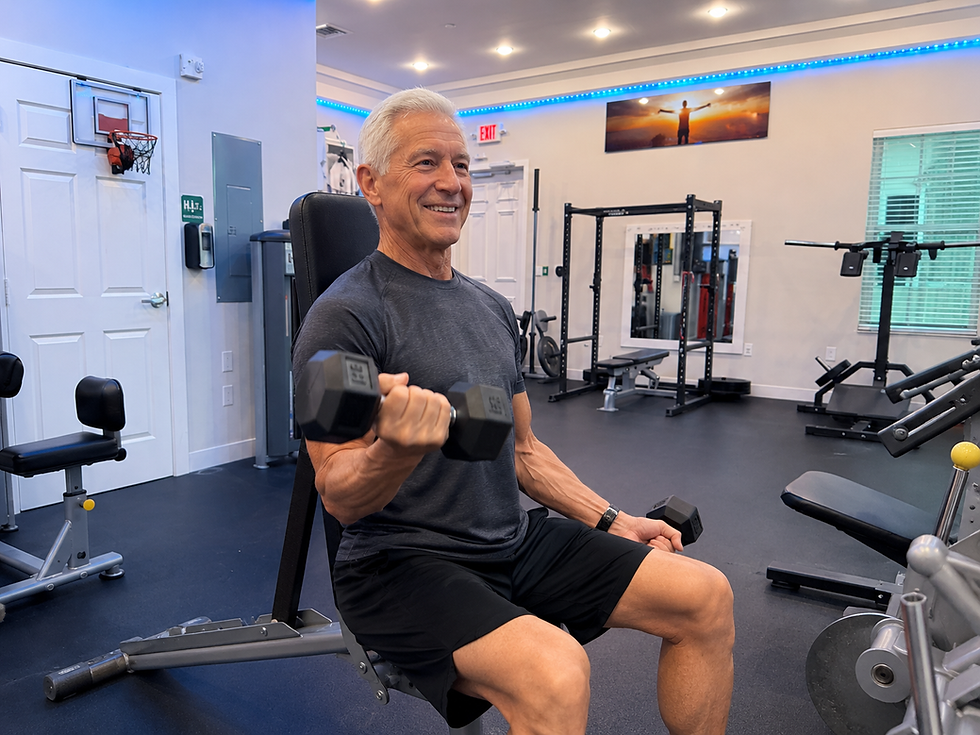
  • Seated dumbbell curls: 2 sets of 10 reps

  • DB Rows (leaning on back of chair): 2 sets of 12 reps

  • Chair Dips: 2 sets of 12 reps

  • Seated Leg Lifts: 2 sets of 12 reps


Adjust repetitions and sets based on comfort and progress. Focus on steady improvement rather than speed.


Overcoming Common Barriers


Many seniors hesitate to start strength training due to fear of injury, lack of knowledge, or feeling too old. Here are ways to overcome these challenges:


  • Fear of injury: Start with low weights and proper instruction. Strength training reduces injury risk long-term.


  • Lack of motivation: Join group classes or find a workout buddy for support.


  • Limited access to gyms: Use resistance bands or Dumbbells


  • Physical limitations: Modify exercises to accommodate arthritis, joint pain, or mobility issues.


Strength Training and Longevity


Research links muscle strength with longer life expectancy. A study in the American Journal of Medicine found that grip strength predicted survival rates in older adults better than some traditional health measures. Maintaining muscle strength supports vital functions and resilience against illness.


Pro Senior Fitness


Comments


1112 Goodlette Rd Suite 201, Naples, FL 34102

(239)860-4442

bottom of page